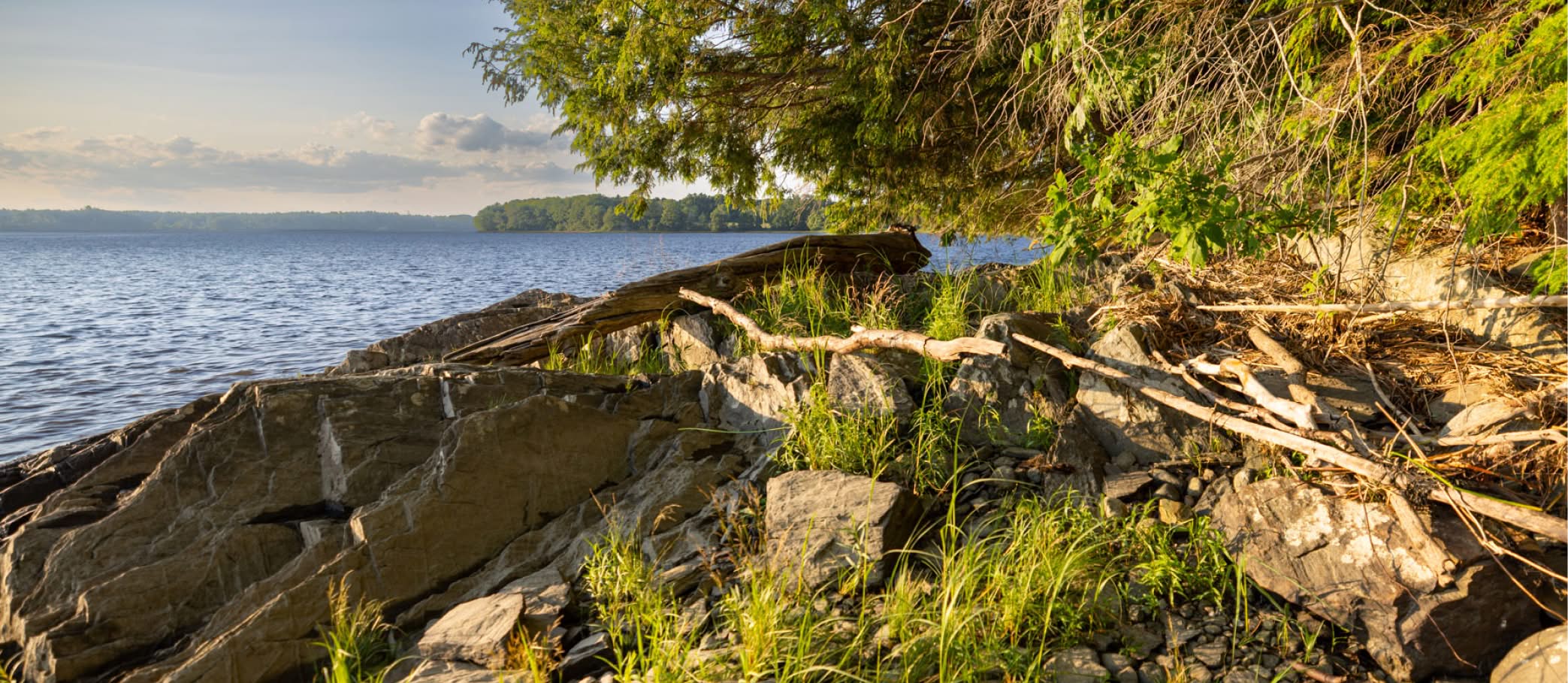
Native Plant Sanctuaries
Discover peaceful places and fascinating plants protected for their rarity, variety, or impressive seasonal displays at our six sanctuaries throughout New England. Sanctuaries are self-guided, with no attendants or fees.
What’s New
Trail Update at Annie Sturgis
Please exercise caution on the trails at Annie Sturgis Sanctuary in Vassalboro, Maine, due to extensive storm damage.
Fallen trees, mostly white pines, are blocking passage on some trails. We are in the process of hiring a contractor to remove the downed trees so visitors can enjoy the trails in the spring.
If you encounter a blocked path, please turn back rather than attempting to climb over or around fallen trees. Thank you for your patience as we work to restore safe access.
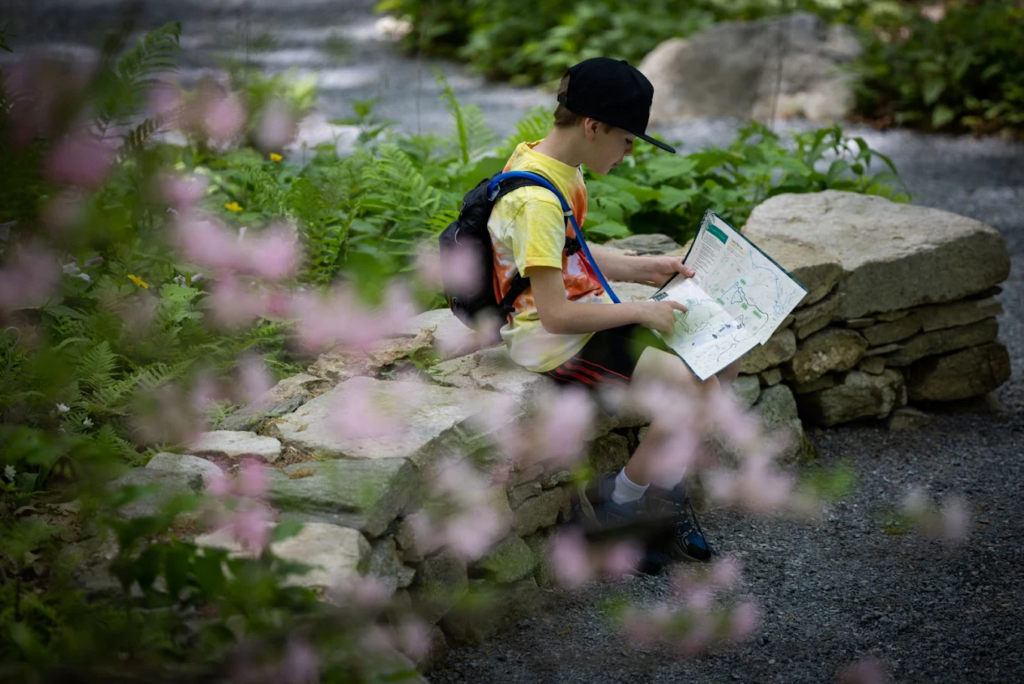
Your Donation Matters
Storm recovery, trail maintenance, and steward support depend on donations from people like you. Every gift helps keep our six sanctuaries open, healthy, and accessible year-round.
Plan Your Visit
Accessibility
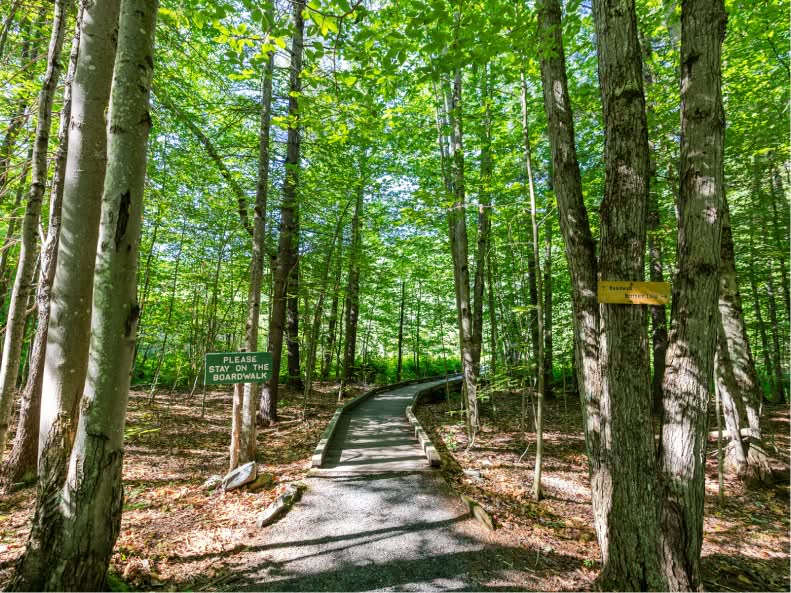
The natural terrain and rustic paths at the sanctuaries are generally not accessible. The exception is Eshqua Bog in Vermont, which has a wheelchair-accessible boardwalk. We do not allow bicycles, off-road vehicles, or vehicles or other power-driven devices used for mobility assistance (with the exception of wheelchairs and scooters) on the paths at any of our sanctuaries.
Sanctuary Etiquette
- Dogs must be leashed
- Leave no trace
- No removing, cutting, or picking plants
- No camping, fires, or smoking
- No horses, bicycles, or off-road vehicles
Eshqua Bog Boardwalk Etiquette
Pass others only at the three dedicated passing areas. If you are physically able, please return to your vehicle on the loop trail rather than via the boardwalk. Be kind and considerate of others — don’t block the boardwalk for great lengths of time. As always, stay on the boardwalk. There are many fragile plants and lots of poison ivy growing in the bog.
Our Sanctuaries
Annie Sturgis Sanctuary
Lime-loving plants and woodland wildflowers thrive on 40 acres along the Kennebec River. Visit for rare plants, scenic hiking trails, historical significance, a view of the river and Mount Tom overlook, and to see a Critical Natural Area in Maine.
Location
Vassalboro, Maine (8 miles from Augusta)
Highlights:
This 40-acre tract along the Kennebec River is notable for its good diversity of spring ephemerals and woodland wildflowers, including bloodroot (Sanguinaria canadensis), trout-lily (Erythronium americanum), wood anemone (Anenome quinquefolia), white baneberry (Actaea pachypoda), and red trillium (Trillium erectum).
Prime Time:
Early to mid-May for spring ephemeral wildflowers and birds. Autumn brings fall flowers and hardwood foliage displays.
Harvey Butler Rhododendron Sanctuary
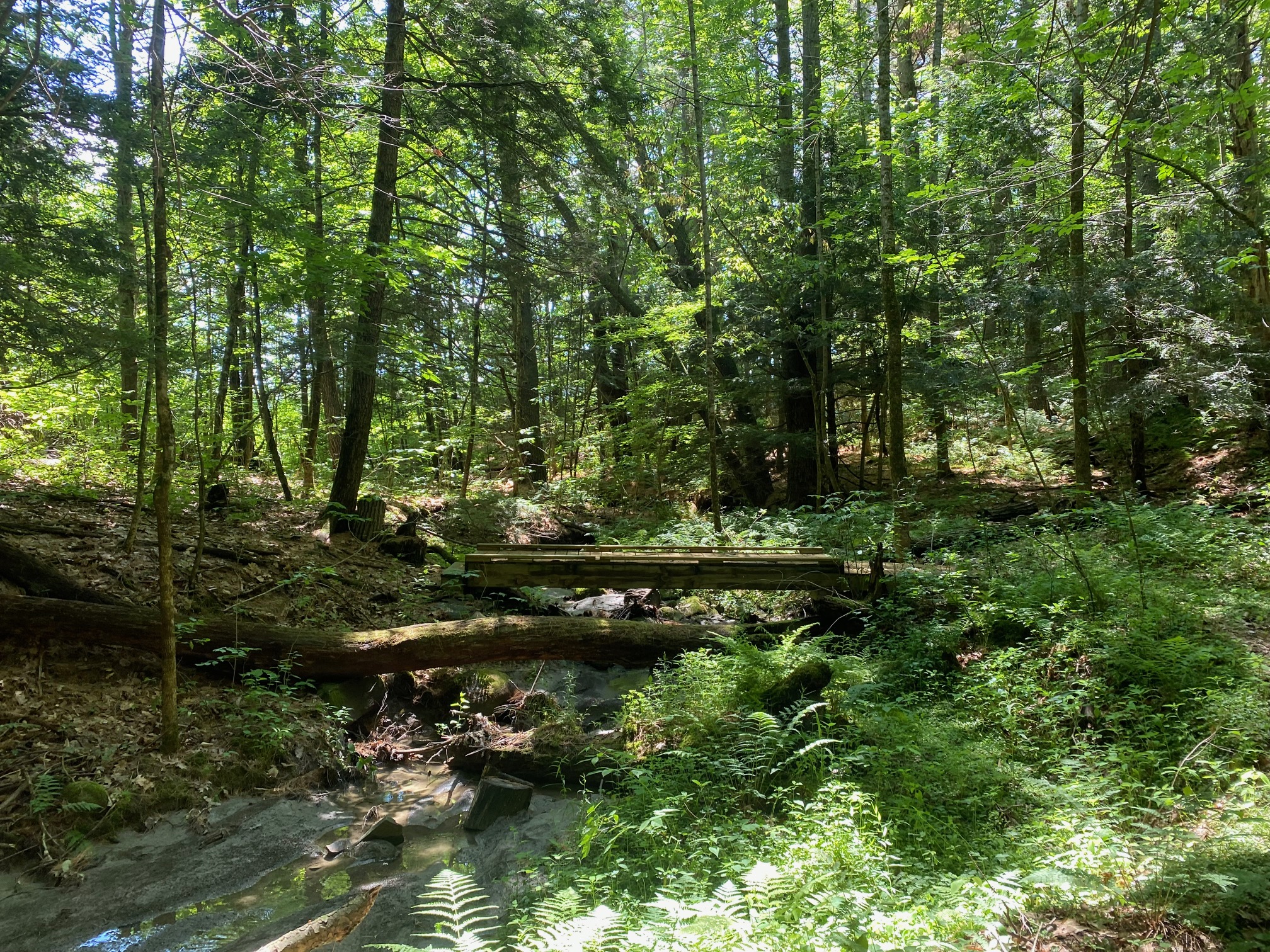
This undulating landscape contains numerous spring wildflower species, but is most noteworthy for its large stand of rhododendron (Rhododendron maximum), which is rare in Maine, on the northern extent of its range. Spring wildflowers include yellow blue-bead lily (Clintonia borealis), painted trillium (Trillium undulatum). Attractive shrubs include northern spicebush (Lindera benzoin) and sheep-laurel (Kalmia angustifolia). The site borders a red maple swamp and wet meadow, which offer brilliant fall color.
Location
Springvale, Maine (3 miles from Sanford)
Highlights:
This gently sloping 56-acre site borders a red maple swamp and wet meadow.
Prime Time:
Mid-July for rhododendron bloom.
Robert P. Tristram Coffin Wild Flower Reservation
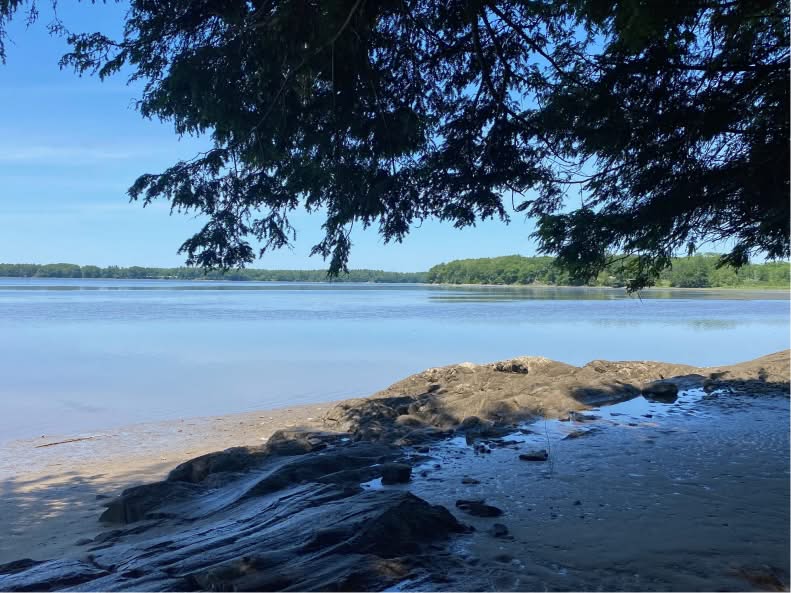
Find hilly woods, sandy shores, a tidal marsh, and more than 100 wildflower species at this 177-acre preserve. The site borders Merrymeeting Bay, a freshwater tidal wetland that is the confluence of six rivers and an important migratory flyway for waterfowl.
Location
Woolwich, Maine (7 miles from Bath)
Highlights:
More than 100 wildflower species—including fringed yellow-loosestrife (Lysimachia ciliata), clasping-leaved twistedstalk (Streptopus amplexifolius), elliptic-leaved shinleaf (Pyrola elliptica), yellow forest violet (Viola pubescens), and white baneberry (Actaea pachypoda)—grow on the site, which is located along a migratory flyway for water fowl. Various species arrive in April through mid-May and begin flying south in August and September. Wintering sea ducks flood the coast again in November and December. Other features of interest include a freshwater tidal marsh, a rare natural community in Maine where several unusual plant species grow, a scenic cobbled cove, hemlock stands, and a swamp.
Prime Time:
Spring, for forest wildflowers. Waterfowl migrate to the area in spring, fall, and winter.
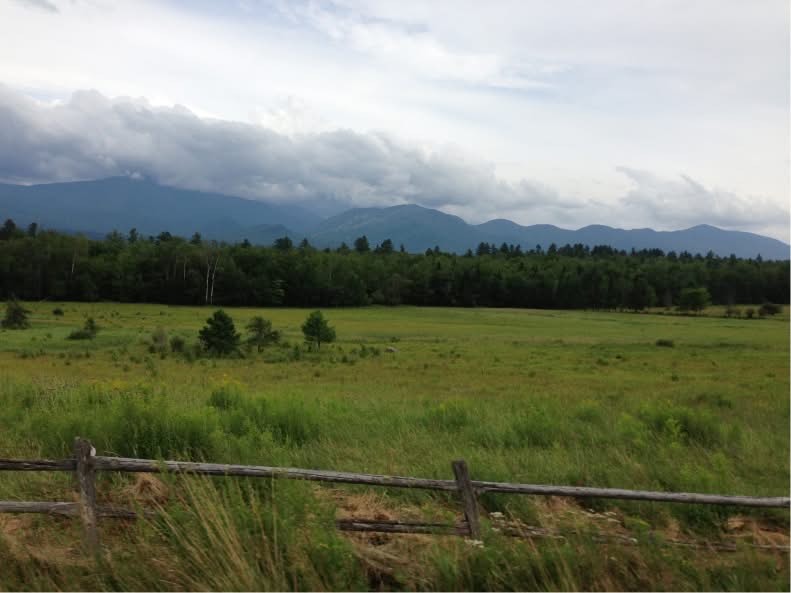
Hobbs Fern Sanctuary
Explore this exceptional 250-acre natural area, which hosts more than 40 types of ferns, including several rare species and unusual wood fern hybrids.
Location
Lyman, New Hampshire (10 miles from Littleton)
Highlights:
See a sugar maple rich mesic deciduous forest, rich slope, and acres of boreal spruce-fir forest dotted with wetlands. An enriched slope and ledge host an abundance of maidenhair fern (Adiantum pedatum), bulblet fragile fern (Cystopteris bulbifera), and silvery false spleenwort (Deparia acrostichoides), as well as hepatica (Anemone spp.), bloodroot (Sanguinaria canadensis), and spring-beauty (Claytonia caroliniana).You’ll also find acres of spruce-fir forest dotted with boreal wetlands.
Prime Time:
May (or before trees leaf out), for spring ephemeral wildflowers.
Plainfield Sanctuary
Explore unusually diverse communities of wildflowers and ferns on the steep banks of a wooded, 86-acre expanse. Discover extraordinary spring ephemerals in nutrient-rich soils, woodland wildflowers, ferns, and riverbank flora, all of which can be viewed from the road. Please observe the plants from the road; there are no trails. Climbing on the steep bank will disturb this sensitive habitat and the intriguing plants that grow here.
Location
Plainfield, New Hampshire (10 miles south of West Lebanon)
Highlights:
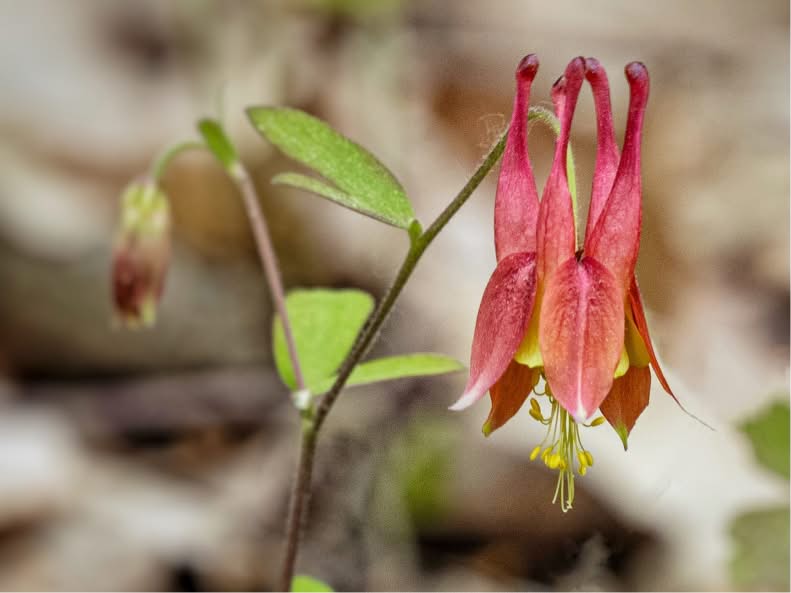
An unusually diverse assemblage of wildflower and fern species graces the steep banks of a wooded roadside in this 86-acre sanctuary. Spring ephemerals include hepaticas (Anenome sp.), blue cohosh (Caulophyllum thalictroides), bloodroot (Sanguinaria canadensis), red columbine (Aquilegia canadensis), early saxifrage (Micranthes virginiensis), two-leaved toothwort (Cardamine diphylla), and Dutchman’s breeches (Dicentra cucullaria).
Prime Time:
Late April to early June for spring ephemerals and woodland wildflowers.
Eshqua Bog
A 40-acre natural area in Hartland, Vermont, surrounding an 8-acre rich fen filled with showy lady’s-slippers (Cypripedium reginae) and other wild orchids. A wheelchair-accessible boardwalk takes you close to the orchids while protecting their natural habitat. This sanctuary is owned and managed jointly with the Vermont Chapter of The Nature Conservancy.
Location
Hartland, Vermont (5 miles from Woodstock Center)
Highlights:
A wheelchair-accessible boardwalk takes you close to showy lady’s-slippers (Cypripedium reginae) and other wild orchids.
Prime Time:
Mid- to late June for showy lady’s-slippers. Fall brings larch trees into brilliant gold display.
Visit Our Other Locations
Garden in the Woods
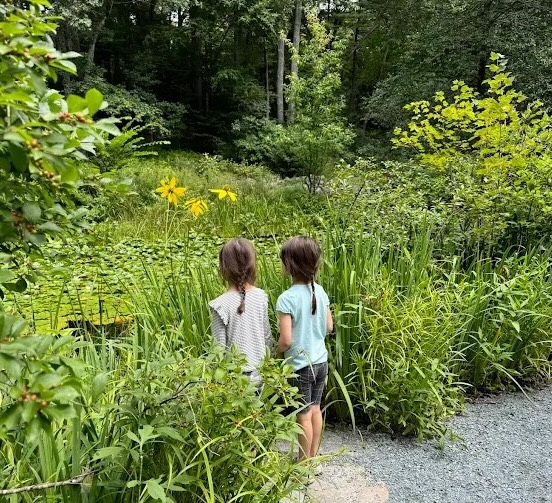
Our naturalistic botanic garden just west of Boston showcases New England more than 1,000 species of native plants on 45 acres sculpted by retreating glaciers into eskers and steep-sided valleys.
Hours:
10 a.m.–5 p.m. daily
Nasami Farm
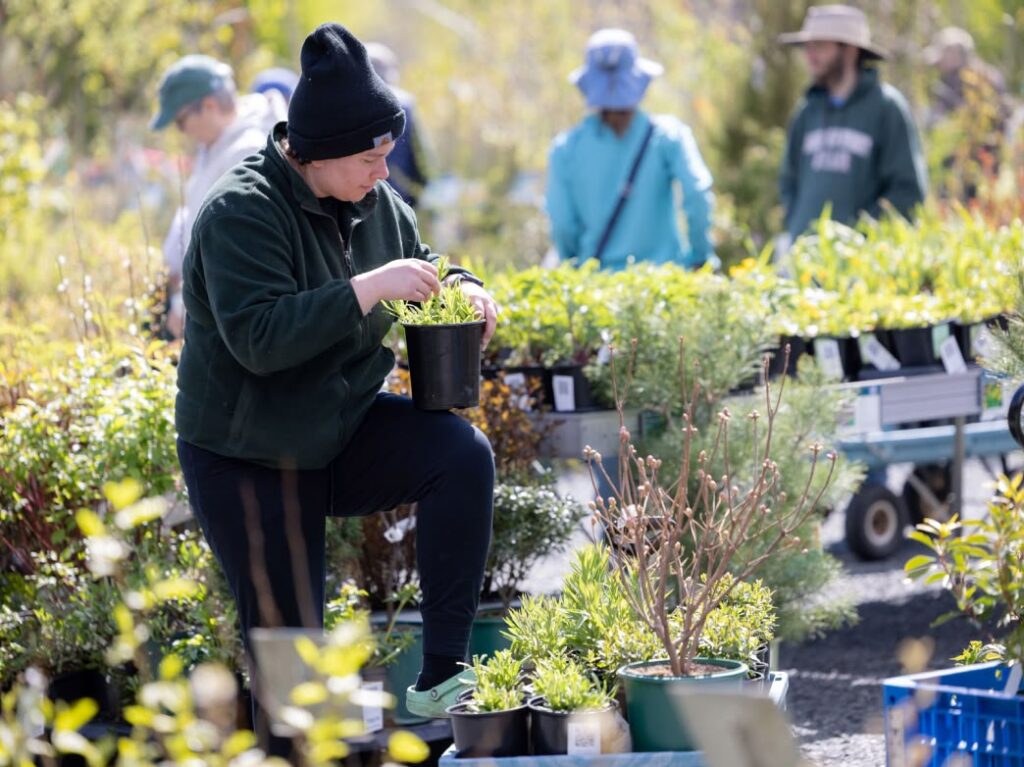
Set on 75 acres in the Connecticut River Valley of western Massachusetts, Nasami Farm grows New England native plants from seed that we harvest sustainably from healthy, well-established wild populations.
Hours:
10 a.m.–5 p.m. daily