1367
Total number of species of rare plant species monitored by Native Plant Trust staff and volunteers between 2015 and 2025
Making discoveries and supporting good decisions with good information.
Current, accurate information is needed to make good decisions about where to direct limited time and resources for conservation. Our scientists and community science program partners provide foundational knowledge, make discoveries, track long-term change, and advance understanding of the best ways to achieve conservation goals. We collaborate with regional experts across sectors, from state natural heritage programs and universities to land managers and the private sector.
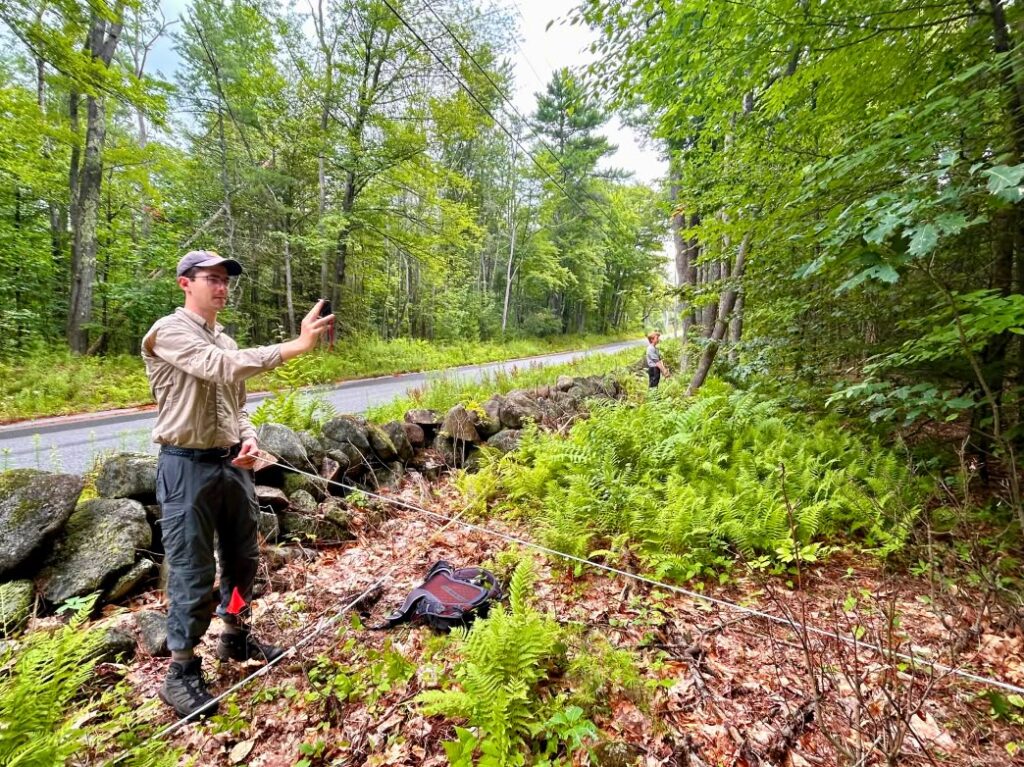
Taxonomy names plant species; floristics maps where they grow. Together, they tell us what’s here and what needs protecting.
Plant taxonomy is the science that names, describes, and classifies plant species. This active and fundamental science informs floristics—the science that identifies the diversity of plant life across a geographical region—to guide regional plant conservation. Combined, these disciplines provide botanists and conservation practitioners with knowledge about what is native to the region, what is rare, and what species or subspecies are in need of action to prevent their extinction.
Native Plant Trust has long led regional efforts to track and share the best and most up-to-date understanding of the species of the region. Our expert staff publish field guides and taxonomic references including Flora Novae Angliae and maintain a comprehensive online plant identification and biogeographic resource Go Botany.
A permanent archive of preserved plant specimens and a critical resource for understanding biodiversity, ecology, and evolution.
Native Plant Trust’s herbarium is home to a collection of nearly 6,000 pressed and dried specimens, many of which are more than a century old. Our herbarium is focused on New England, and each specimen is a time capsule from a moment in time and a specific location.
With donor support, the entire collection has been digitized.
Visit our collection online via the Consortium of Northeastern Herbaria.
Our collection is used in a variety of ways, from teaching plant identification to taxonomic studies of plant form and variation. Measurements from our specimens are included in Ted Elliman’s guide to the Wild Flowers of New England.
Monitoring the health of wild plant populations over time is critical to understanding extinction risk, and to knowing where and when to take action.
Native Plant Trust founded the New England Plant Conservation Program in 1992 to coordinate rare plant monitoring at a regional scale by convening botanical experts, conservation professionals, and state natural heritage programs. This network of experts shares new discoveries and integrates knowledge across six states to set long-term conservation monitoring and action priorities for the region.
Because the number of professional botanists employed by states is so small in comparison to the number of rare plant surveys needed, Native Plant Trust launched the Plant Conservation Volunteer program in 1993. This innovative program—the first of its kind and a model for others—provides volunteers with the tools and knowledge they need to expand monitoring in the region, and coordinates their participation in rare plant monitoring activities.
Volunteers are supported by staff and interns who secure permission for visits to plant populations on both public and private land. Conservation Department staff match volunteers to surveys, ensure the quality of collected data, and share observations with state agencies and natural heritage programs.
The work of our volunteers makes an important contribution to Flora Conservanda, a comprehensive report on all plants known to be globally, regionally, or locally rare that are found in New England. First published in 1996, and updated in 2013, this report is a community effort by botanical experts of the region who serve as members of the New England Plant Conservation Program’s Regional Advisory Committee, led by Native Plant Trust Conservation staff. Flora Conservanda’s ranked plant list is an evidence-based synthesis of observations and expert knowledge that guides plant conservation decision-making across the region.
Total number of species of rare plant species monitored by Native Plant Trust staff and volunteers between 2015 and 2025
Number of individual rare plant populations monitored by Plant Conservation Volunteers between 2015 and 2025
Plant Conservation Volunteers active in 2026
The work of our volunteers makes an important contribution to Flora Conservanda, a comprehensive report on all plants known to be globally, regionally, or locally rare that are found in New England. First published in 1996, and updated in 2013, this report is a community effort by botanical experts of the region who serve as members of the New England Plant Conservation Program’s Regional Advisory Committee, led by Native Plant Trust Conservation staff. Flora Conservanda’s ranked plant list is an evidence-based synthesis of observations and expert knowledge that guides plant conservation decision-making across the region.
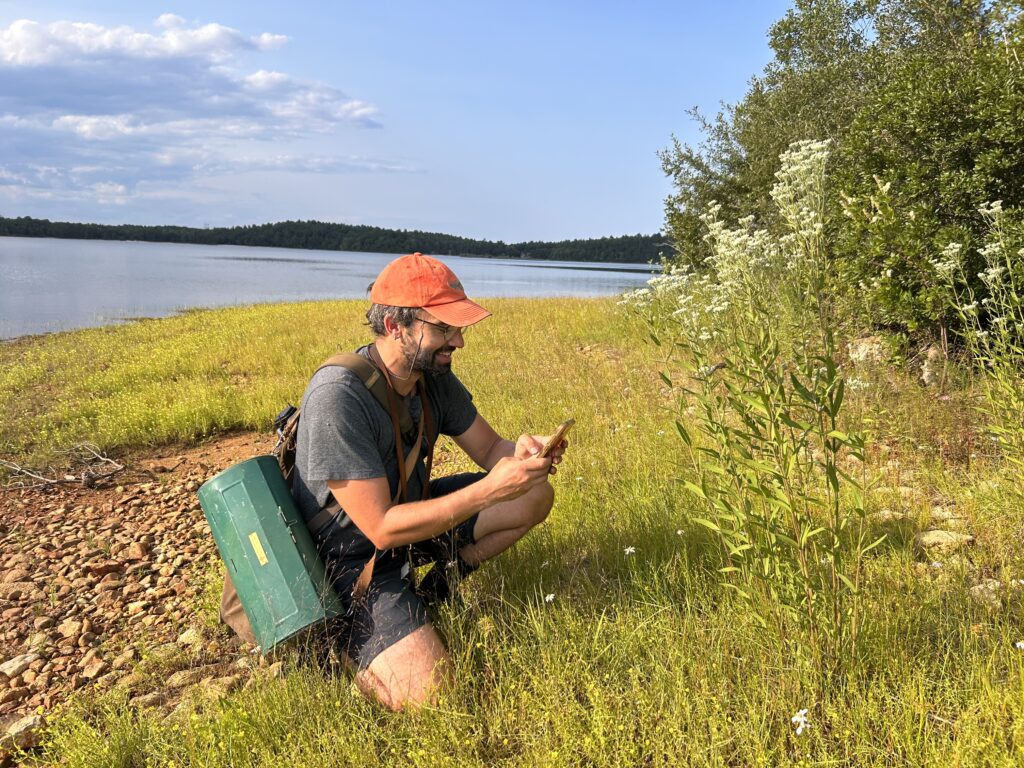
Plant communities translate the geophysical variation of the land—its soil, topography, hydrology, and so on—into the living habitats that sustain life. Conserving multiple intact locations of every habitat type is an important strategy for sustaining the natural benefits plants provide and for maintaining the full diversity of other species that depend on them. Released in 2022, our groundbreaking report, Conserving Plant Diversity in New England, provides a detailed roadmap for conserving strategically targeted places with high plant diversity and biodiversity in New England as the climate changes.
Conserving Plant Diversity in New England is a groundbreaking report resulting from a two-year collaboration between Native Plant Trust and The Nature Conservancy. Released in 2022, the report provides a scientific framework and detailed roadmap for conservation action and land protection at the species, habitat, and parcel scales that can save plant diversity—and thus overall biodiversity—in New England as the climate changes.
The report analyzes whether more than a century of conservation has protected enough land in the right places to save the region’s plant diversity. It concludes that we need to conserve another 2.3 million acres of climate-resilient land in specific habitats, and it identifies which areas are priorities in each of the six New England states.
For the first time, this report delineates 234 Important Plant Areas containing exceptionally high rare plant diversity and then examines how much of those areas and each of the region’s 43 primary habitats are:
The report’s interactive maps and state-specific data enable policy makers, federal and state agencies, and land trusts each state the detailed information needed to most effectively spend their conservation dollars.