22%
of New England’s native plants are either threatened with extinction, globally rare, endangered or rare in multiple states, or considered historic and extirpated from the region
Native plants are the cornerstone of Earth’s ecosystems.
Every species answers the question of how to survive on this planet in its own unique way. They evolved in and define particular locations, where they provide the habitats—food, clean water, clean air, local climate, and shelter—that the birds, mammals, and other animals of that place need. Together, native plants and animals form a web of long-term relationships that is greater than the sum of its parts: an ecosystem.
In nature, insects come in second – just after plants – as the most important food in the web of life. Time and time again, scientists have found that native plants support greater abundance and diversity of insects. Research on 100 tree species in eastern North America found that native tree species supported four times as many caterpillars compared to non-native species1. Even birds that eat seeds as adults feed insects to their young, and caterpillars are a favorite food. In a study of suburban yards, more native plants meant not only more caterpillars, but also more Carolina chickadees who were more likely to be found breeding and foraging in yards with more native plants2.
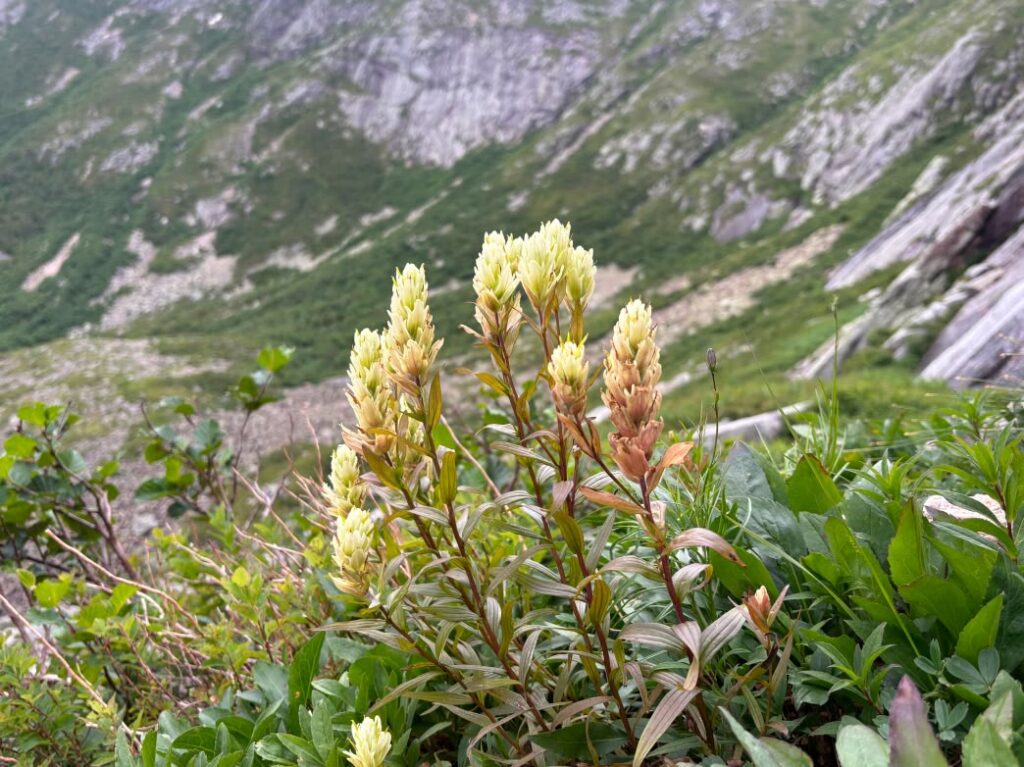
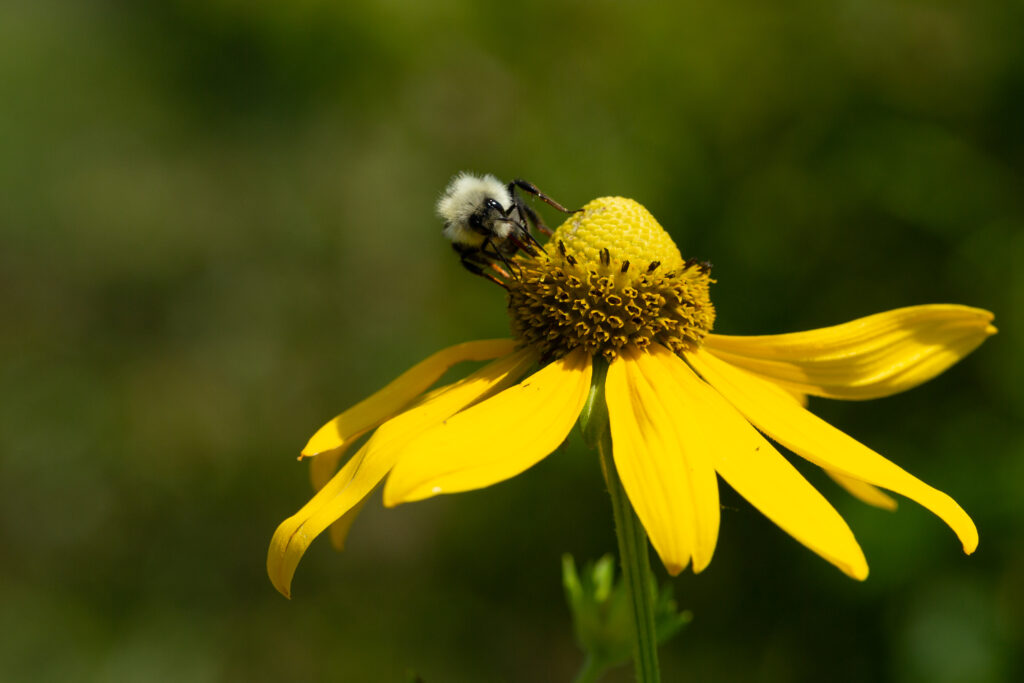
Native pollinators are four times as likely to be found on native plant species than non-natives, and 90% of native insects can only eat the native plants they have co-evolved with (3). Some native species are even super-attractors. A study found that 18 native species widely distributed in the southeastern United States collectively attracted 89% of all bee taxa in the area, exemplifying the importance of native plants not just in the wild, but in wildflower mixtures and pollinator gardens (4).
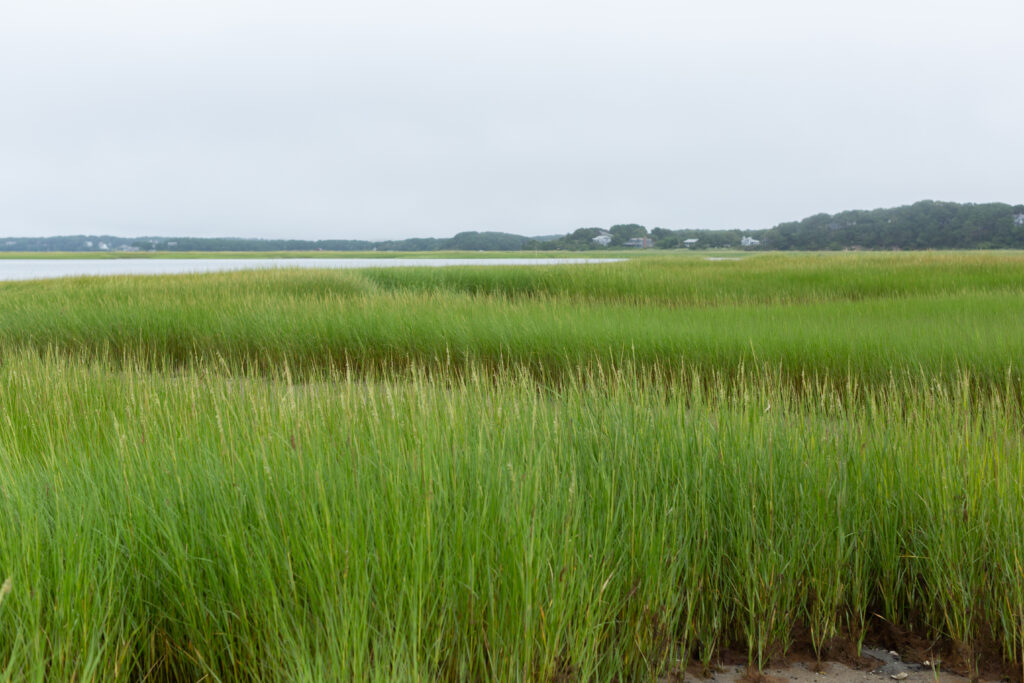
Greater biodiversity means a larger bag of tricks for a community of plants to fend off disease, pests, fires, floods, and climate change. The patchwork of different plant communities that make up our natural landscapes can serve as quarantine zones, fire breaks, and flood-absorbing sponges, bringing greater stability to the ecosystems we rely on. Coastal grasslands knit together dunes to protect communities from storm surge flooding. Tree canopies keep local climates cooler. Diverse forests fill in canopy gaps when disease affects one species out of many. Native plant communities have evolved to respond to change, resulting in both resistance and the ability to bounce back—called resilience—when a major disturbance happens.
We rely on ecosystems to do much that we cannot do for ourselves. Native plants are the foundation of ecosystems essential to produce food and fiber, purify water, cycle essential nutrients, and regulate the climate, as well as providing recreation, inspiration, and habitat for the birds and butterflies we all love. These beneficial processes and products would not exist without a diversity of native plants.
In addition to the basic life support functions of native plants and ecosystems, many studies now show that spending time in nature is good for our mental and physical well-being. We benefit from both immersing ourselves in wild places and bringing nature home to our everyday spaces.
Native plants require fewer inputs to thrive because they have evolved with the weather patterns, seasons, soils, and pests of the region they naturally live in. A study of grassland communities found that non-native species were on average “25.9% more negatively affected by drought than native species, with this pattern holding across a variety of local climate and drought conditions.” (6) As homeowners and land managers seek to reduce inputs of water, fertilizer, fossil fuels, and time, planting natives is a part of the solution.
This is also true in cities. As one study put it, “We found overwhelming evidence that [compared to non-native species] native plants support higher faunal abundance and diversity [and] higher levels and diversity of ecosystem services… and little evidence to support claims that non-natives plant species are better adapted to urban environments.” (5) It’s always important to match the right plant to the right place, and native plants are adapted to a wide array of situations.
of New England’s native plants are either threatened with extinction, globally rare, endangered or rare in multiple states, or considered historic and extirpated from the region
of plants on the New England landscape are non-native
the average amount of known range that rare plant species have lost
imperiled species: 62 are globally rare, and 10 occur nowhere else on earth (only 7 of our globally rare species remain)