Our Reach
Partnering with landowners, volunteers, and communities to safeguard rare species in the wild and promote the use of native plants in designed spaces for over 125 years.
The New England Plant Conservation Program
The New England Plant Conservation Program connects botanical experts across sectors to collect and share information about rare species for conservation.
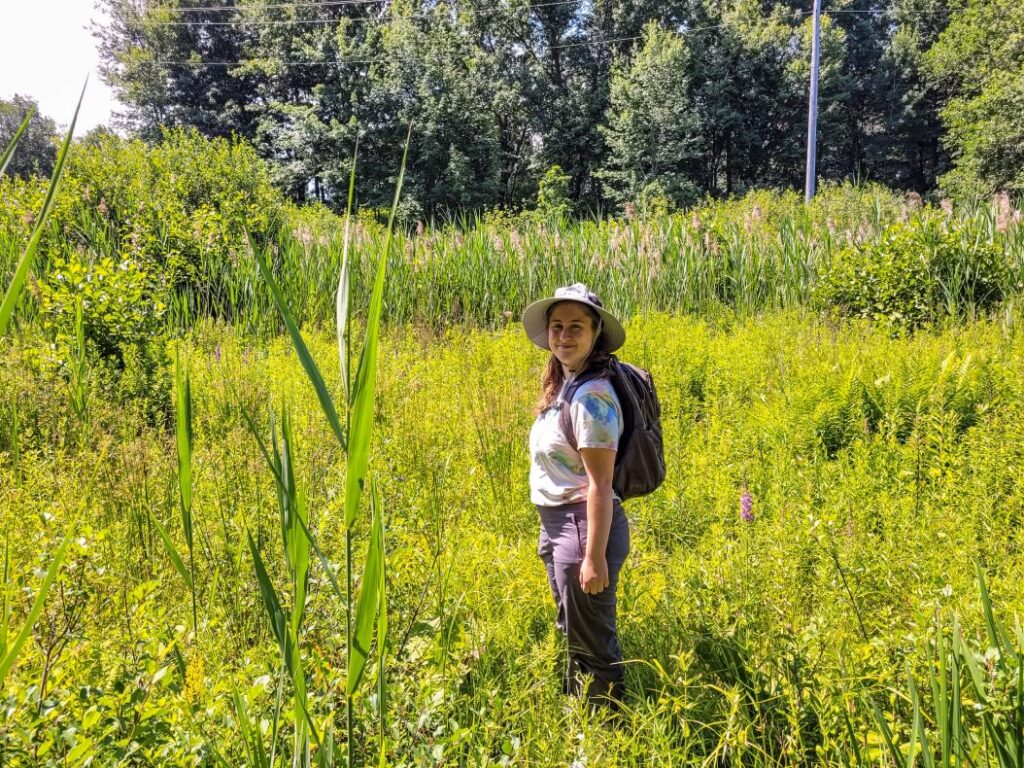
Many of New England’s rare and endangered plants grow on private land, which comprises about 90% of our region. And, unlike animals, plants on private land lack legal protection under the federal Endangered Species Act. (That’s right—endangered plants on private land receive no federal protection.)
To locate and protect these plants, we founded the New England Plant Conservation Program, the first of its kind regional conservation network, nearly thirty years ago. Today partners in state agencies and private organizations in six states work together to build landowner relationships, share information, and develop conservation strategies.
How New England Plant Conservation Program Works
We provide funding and staff, and we administer the program with guidance from a regional advisory council and an expert task force in each New England state. Advisory council members comment on regional policy and analyze data to update the list of regionally rare, threatened, and endangered plants, Flora Conservanda, which ranks priority species for conservation. Together we also collaborate on:
- Plant taxonomy (classification) and floristics (biogeography)
- Habitat management and restoration
- Relocation and augmentation of threatened populations
- Seed banking
The state task forces select priority species for monitoring and seed collection under the guidance of each state’s natural heritage or natural history staff, and evaluate results yearly. Task force members have the botanical expertise to take on the most challenging monitoring surveys, while Plant Conservation Volunteers, trained by program scientists, expand the reach of the New England Plant Conservation Program in the field.
Want to help? Shrinking public funds and accelerating climate change are pressing New England Plant Conservation Program’s member organizations to work with greater urgency and fewer resources than ever before.
Restoration Accelerator™
In 2024, in response to a decades-long shortage of regionally adapted, regionally grown native plant seed for restorations, Native Plant Trust launched the Restoration Accelerator™ with the goal of addressing this challenge.
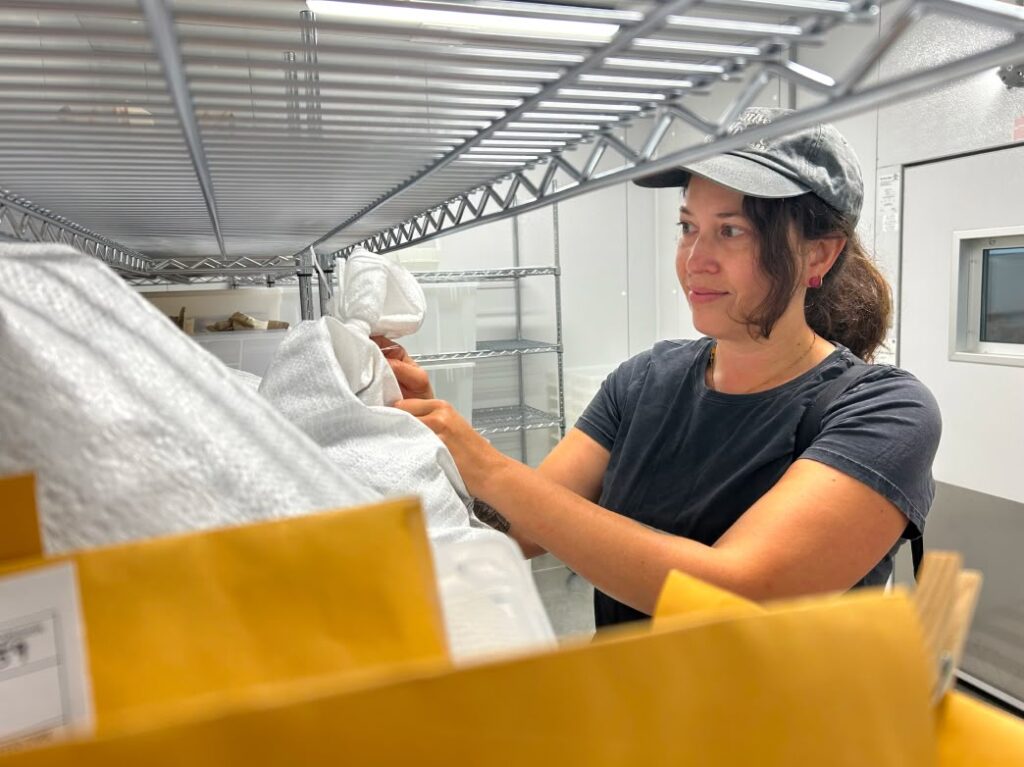
The Restoration Accelerator™ program aims to strengthen the regional native plant and seed supply chain through regional coordination and leveraging our deep expertise in wild seed collection, cleaning, storage and banking. We promote scaling the availability of locally adapted, source-identified seed through seed increase at Nasami Farm and with regional partners.
Flora Conservanda
Flora Conservanda 2012 was prepared by our staff and our colleagues in the New England Plant Conservation Program. It documents plants growing in our region that are rare globally, regionally, and locally. It also lists plants that are considered historic in New England (though they may exist elsewhere in the U.S. or the world) and plants whose status in the region was undetermined at the time but believed to be rare.
The 2012 list is a revision of the original document, published as the 1996 edition of Rhodora, the journal of the New England Botanical Club. We revised the list for 2012 based on research accumulated over the preceding 15 years, including taxonomic studies and field research by professionals and volunteers. We added species based on their rarity in the wild, and removed others because we learned that they are more common than previously understood or our taxonomic understanding of the species changed so that it is no longer considered rare in New England. In 2014, we published an article in Rhodora analyzing the changes revealed between 1996 and 2012.
We view the 2012 list as a snapshot of plant rarity in New England at that time. Information may no longer be current—for more recent data, consult the latest state endangerment status and state ranks.
Flora Conservanda: 3rd Edition is in the works, providing a needed update from the 2012 document. Stay tuned for more information on its release.
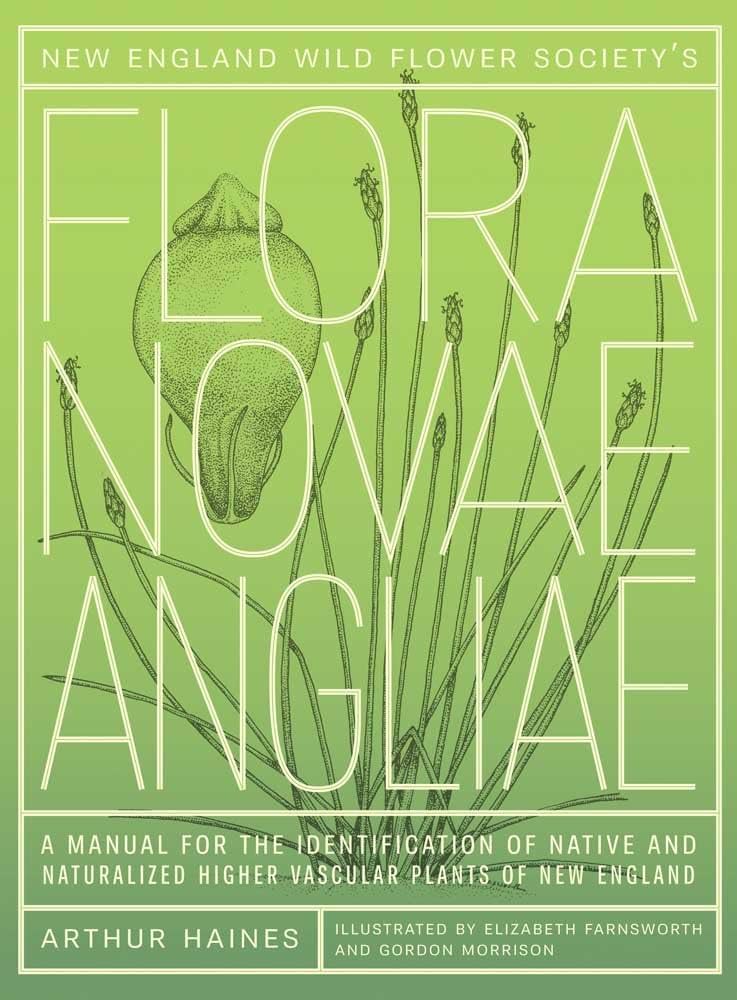
Flora Novae Angliae
Among many other publications supported by Native Plant Trust, Flora Novae Angliae, a Manual for the Identification of Native and Naturalized Higher Vascular Plants of New England reflects nine years of field, herbarium, and literature study and is an indispensable resource for New England botanists. Written by staff research botanist Arthur Haines and published by Yale Press in 2011, this book is the most authoritative and comprehensive work on the flora of New England and represents a historic contribution to botanical scholarship.
As said in Rhodora, “This book can be considered nothing less than essential by professional and amateur botanists throughout eastern North America.”
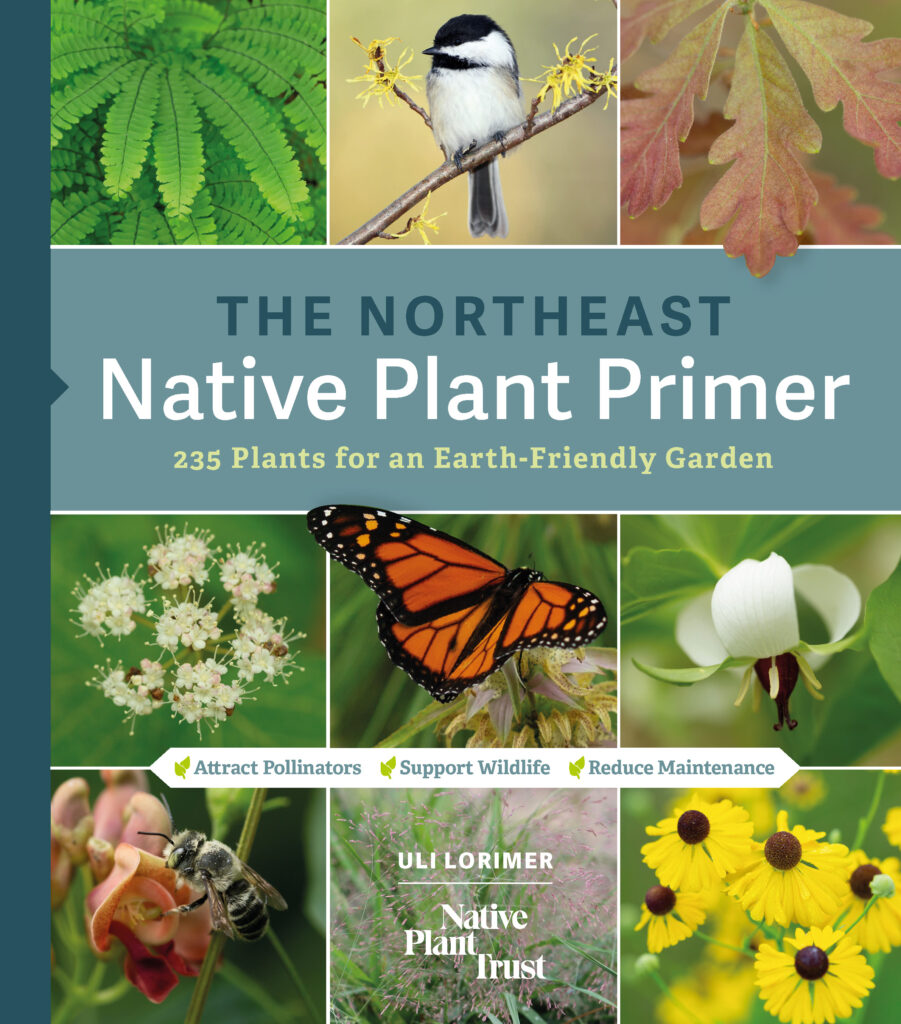
The Northeast Native Plant Primer: 235 Plants for an Earth-Friendly Garden
Your garden can make a difference if you choose plants native to our Northeast region. From reducing maintenance tasks to attracting earth-friendly pollinators such as native birds, butterflies, and bees, the rewards will benefit you and your backyard’s ecosystem. Native Plant Trust Director of Horticulture, Uli Lorimer, makes adding native plants to your garden easier than ever before, with proven advice that every home gardener can follow.
This incomparable sourcebook includes recommended native trees, shrubs, vines, ferns, wildflowers, grasses, sedges, and annuals. It’s everything you need to know to create a beautiful and beneficial garden.
This must-have handbook is for gardeners in Connecticut, Delaware, Maine, Massachusetts, New Hampshire, New Jersey, New York, eastern Ohio, Pennsylvania, Rhode Island, and Vermont.